Motherhood
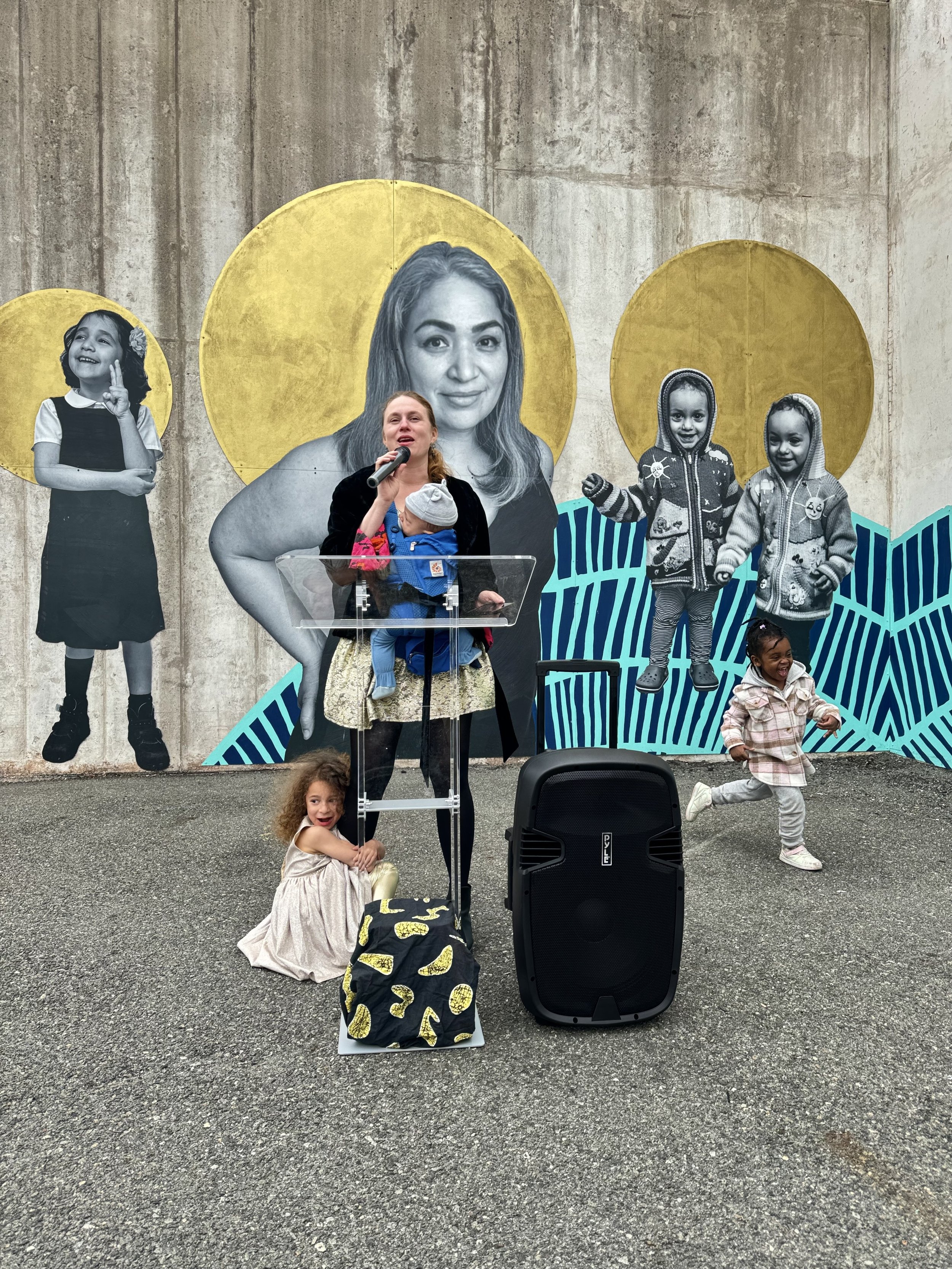
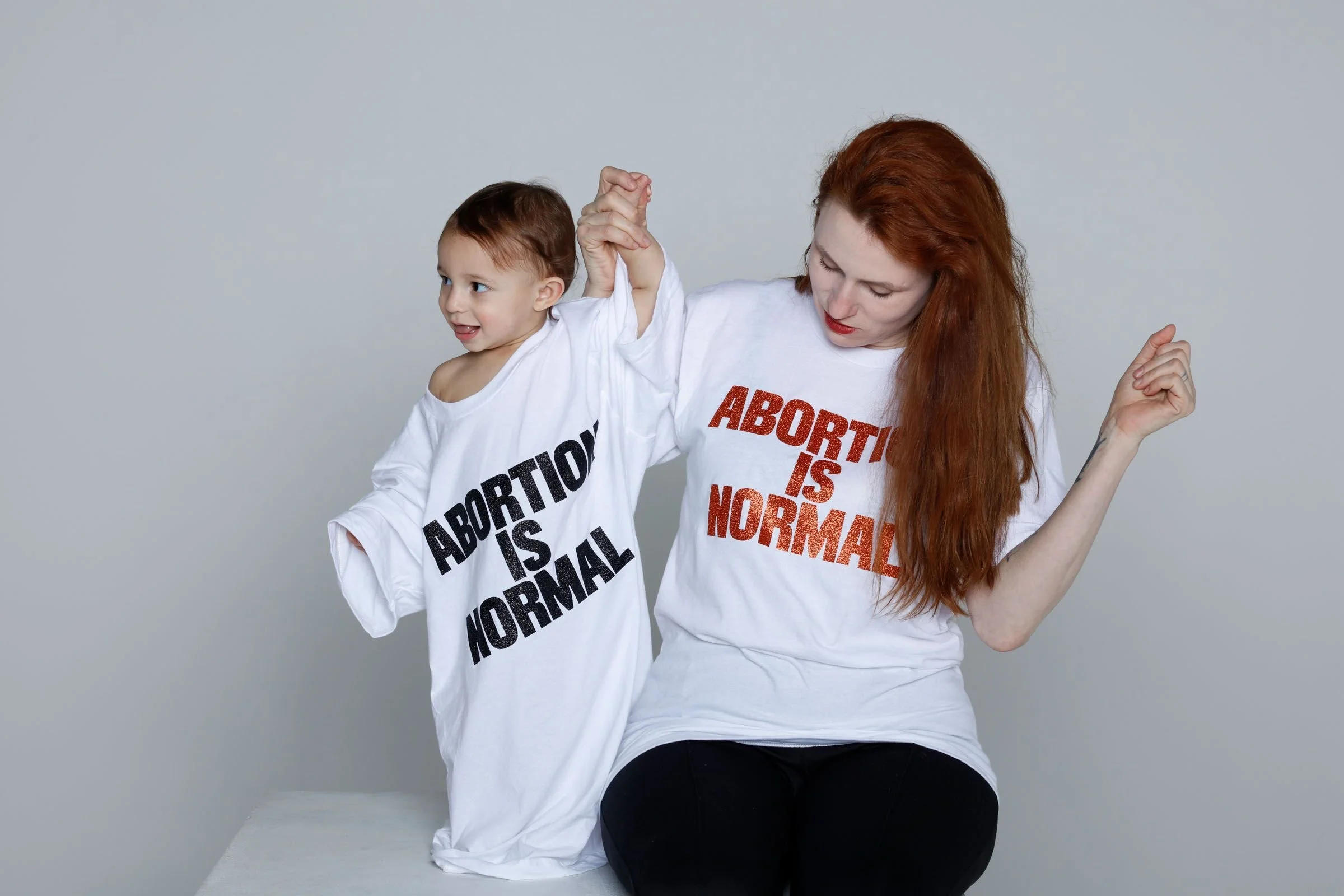
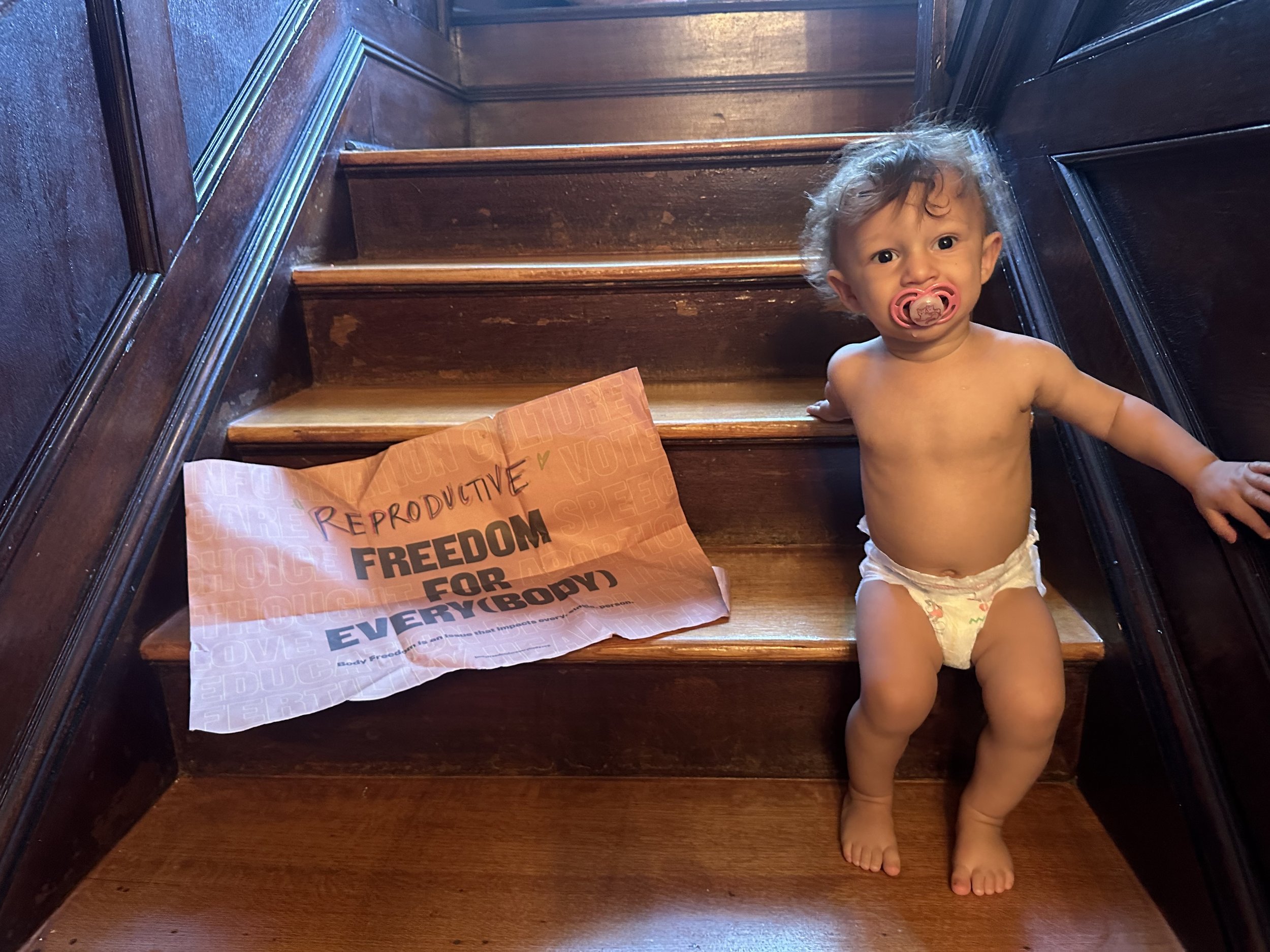
My work changed after giving birth. Being a mother was never something I aspired to be, but now I find myself thriving in unexpected ways… I’ve set forth in my work to acknowledge motherhood as a critical movement—a celebrated and supported choice.
—Excerpt from Maternal Journal, 2019
In 2018, Rebecca gave birth to her first child, Adele Rae. From the moment Adele entered the world, everything changed.
Motherhood transformed Rebecca’s work, as she now found herself advocating not only for her own life but for her children's as well. It prompted her to explore themes of birthing bodies, the choice to have children, and the often-overlooked foundations of our existence. Her practice examines inequities in healthcare systems and limited access to reproductive choice—issues made even more urgent by the collapse of Roe v. Wade.
This period marked a significant shift in her life, coinciding with the rapid changes brought on by 2020 and the onset of the COVID-19 pandemic. Many of her personal projects, as well as initiatives with Project for Empty Space, have engaged with these experiences, and collaborated with other mothers. Motherhood has become a vital and ongoing part of her creative practice.
Her work in this area spans printed matter projects exploring narratives around motherhood, choice, and reproductive justice; panels and conversations facilitating discussions on birthing, parenting, and creative practice; and design collaborations addressing issues from reproductive choice to community safety, including initiatives like GunSense.
In 2023, Rebecca welcomed her second child, Apollo.
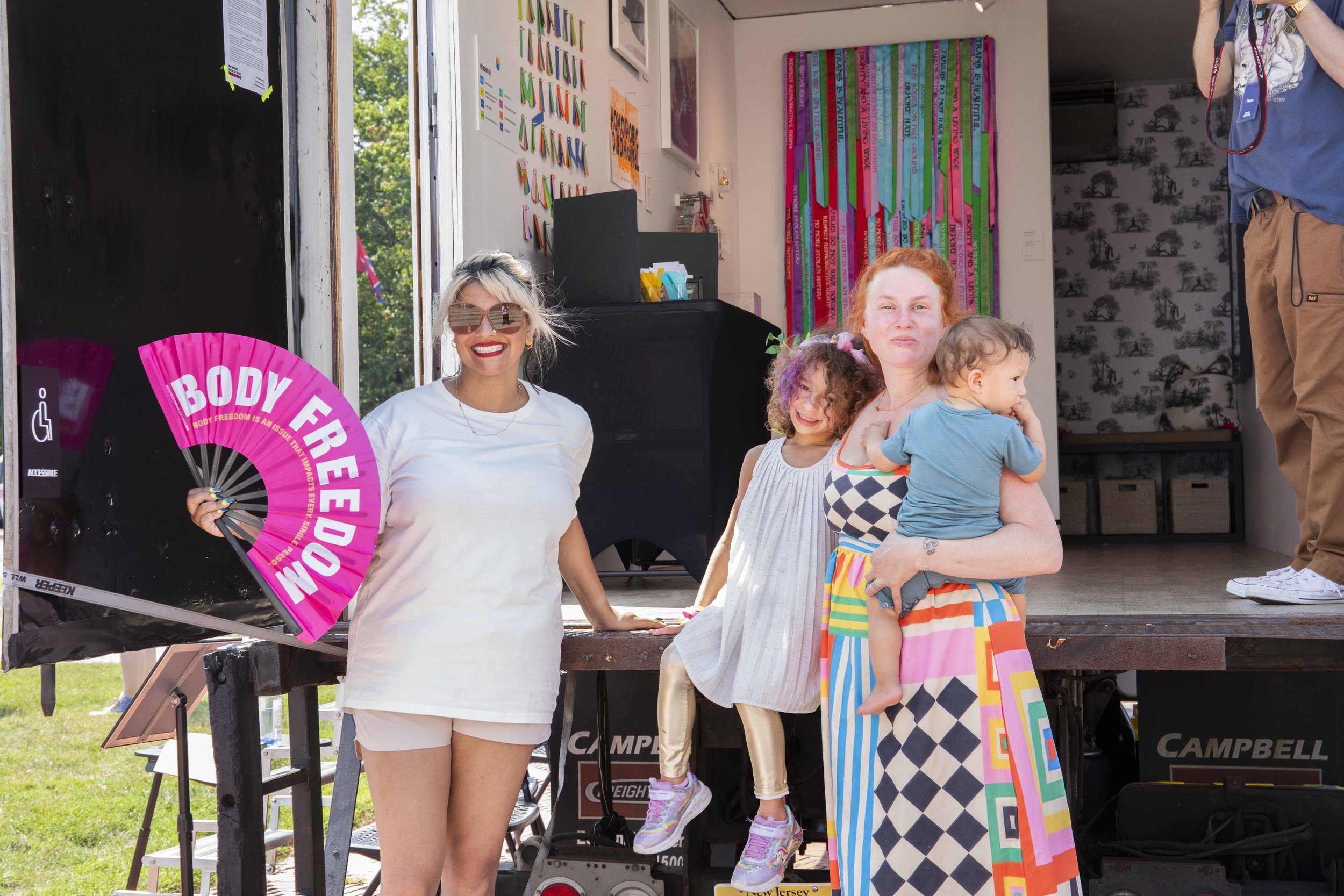
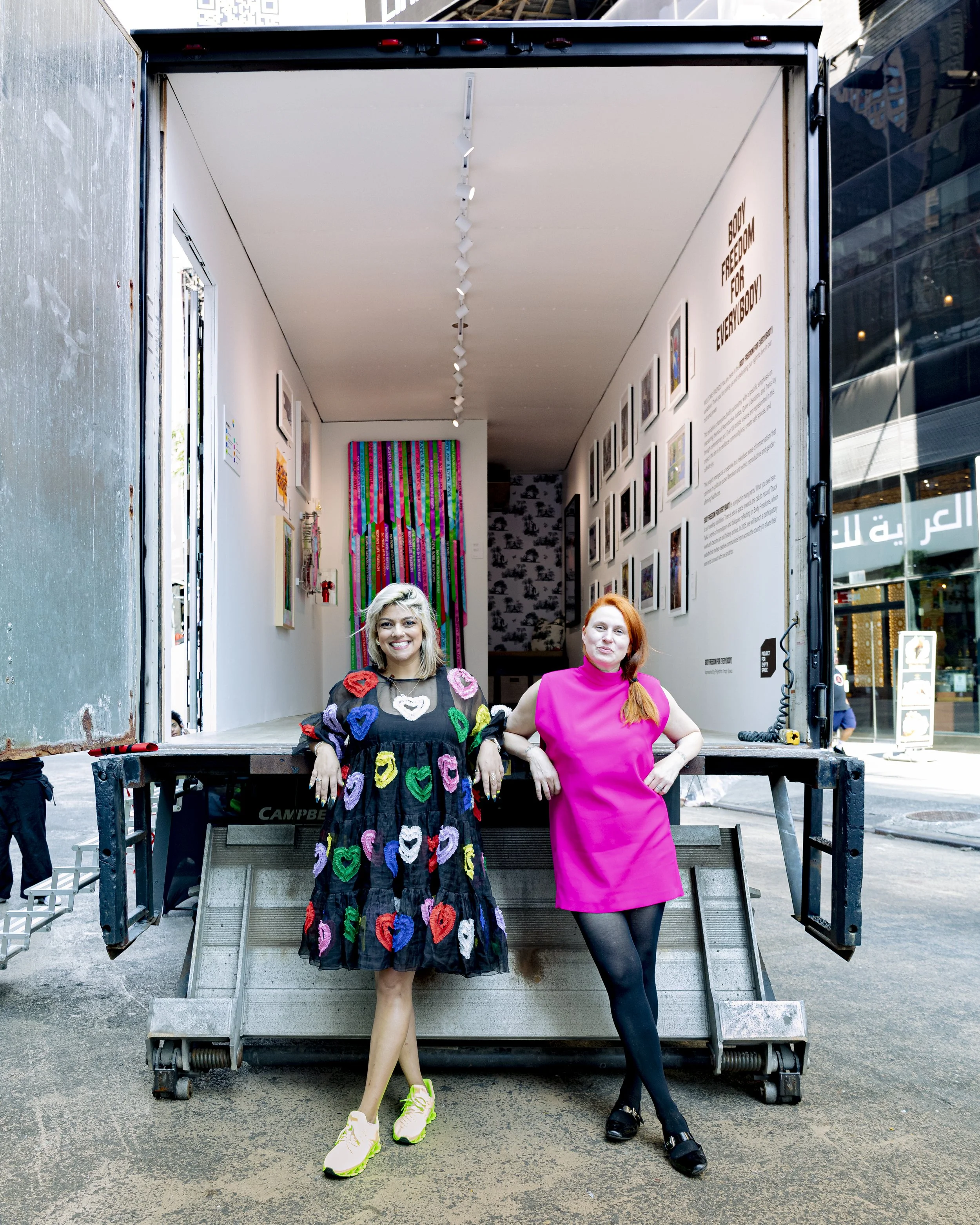
In 2024, both of her children joined Project for Empty Space on many stops of the Body Freedom for Every(Body) tour, highlighting the importance of including children in conversations about bodily autonomy.
Selected Projects
Creating Space for Caretaking as Collective Practice
Ongoing
Rebecca’s work centers on creating space for conversation around caretaking—spaces where care is not hidden, apologized for, or compartmentalized, but made visible, shared, and generative. These gatherings foreground caretaking as a collaborative practice, where children are present and recognized as participants rather than interruptions, and where lived experience becomes a source of knowledge, strategy, and cultural production.
Over the years, Rebecca has organized and moderated numerous conversations, roundtables, and public programs that bring together artists, cultural workers, and caregivers to address the complexities of sustaining creative and professional lives alongside caretaking responsibilities. These events challenge dominant narratives that frame motherhood and care as obstacles, instead proposing care as a site of resistance, organizing, and collective imagination.
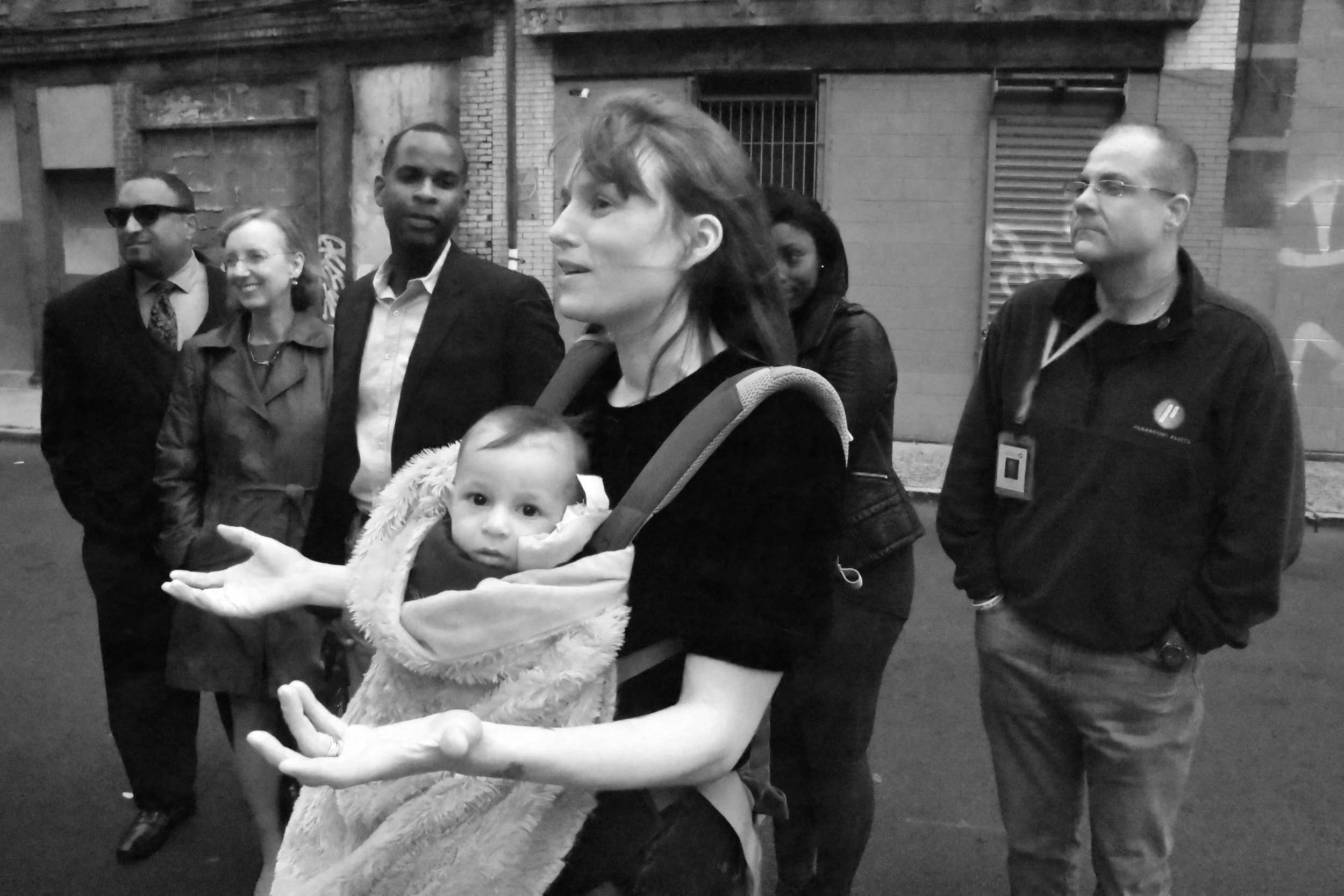
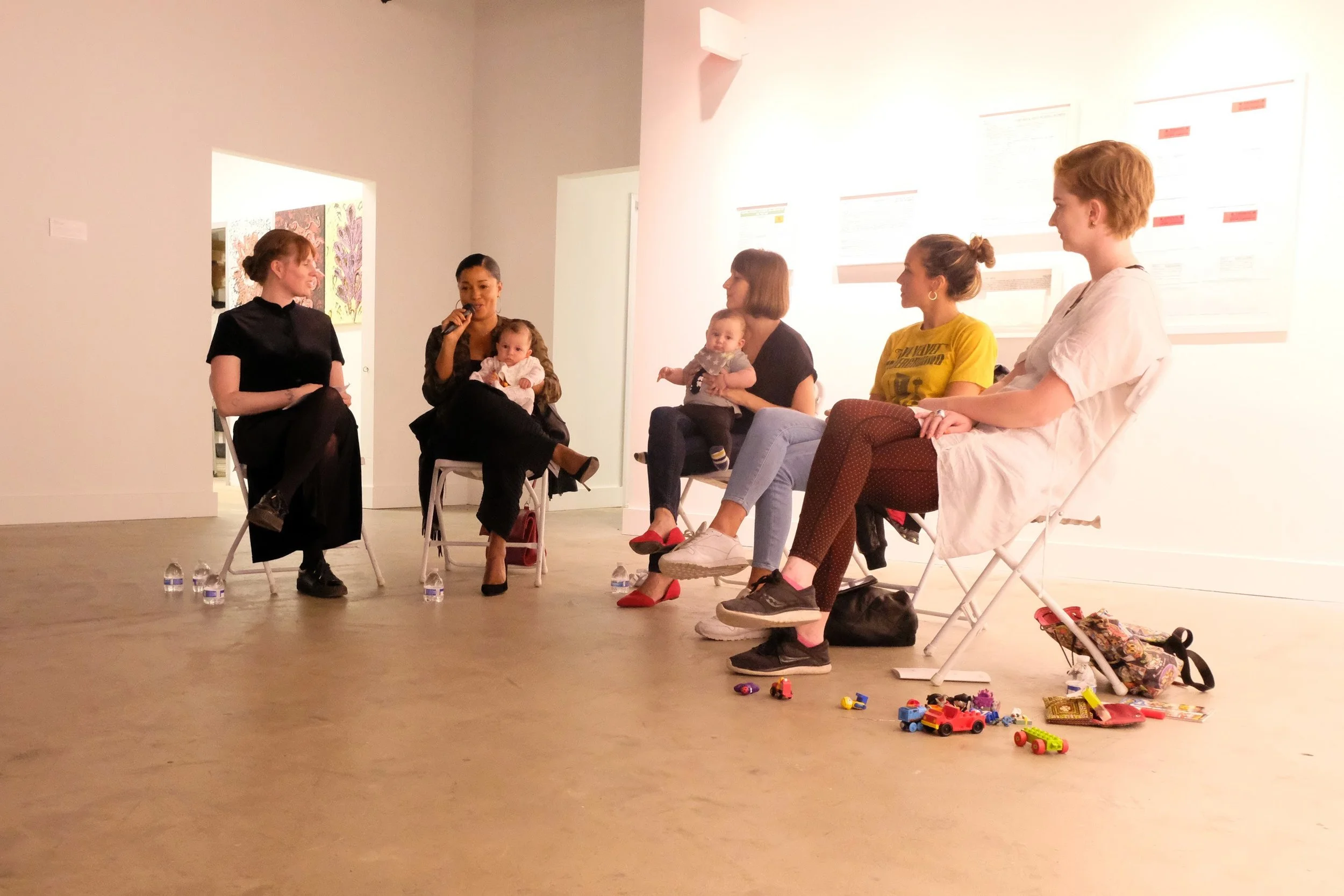
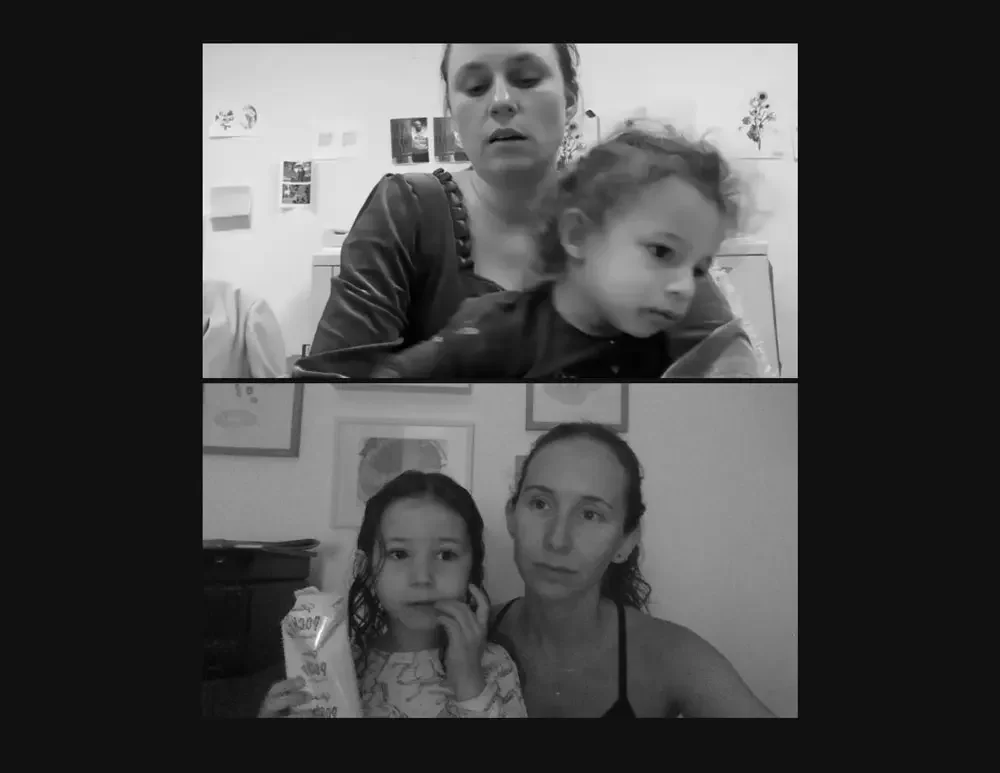
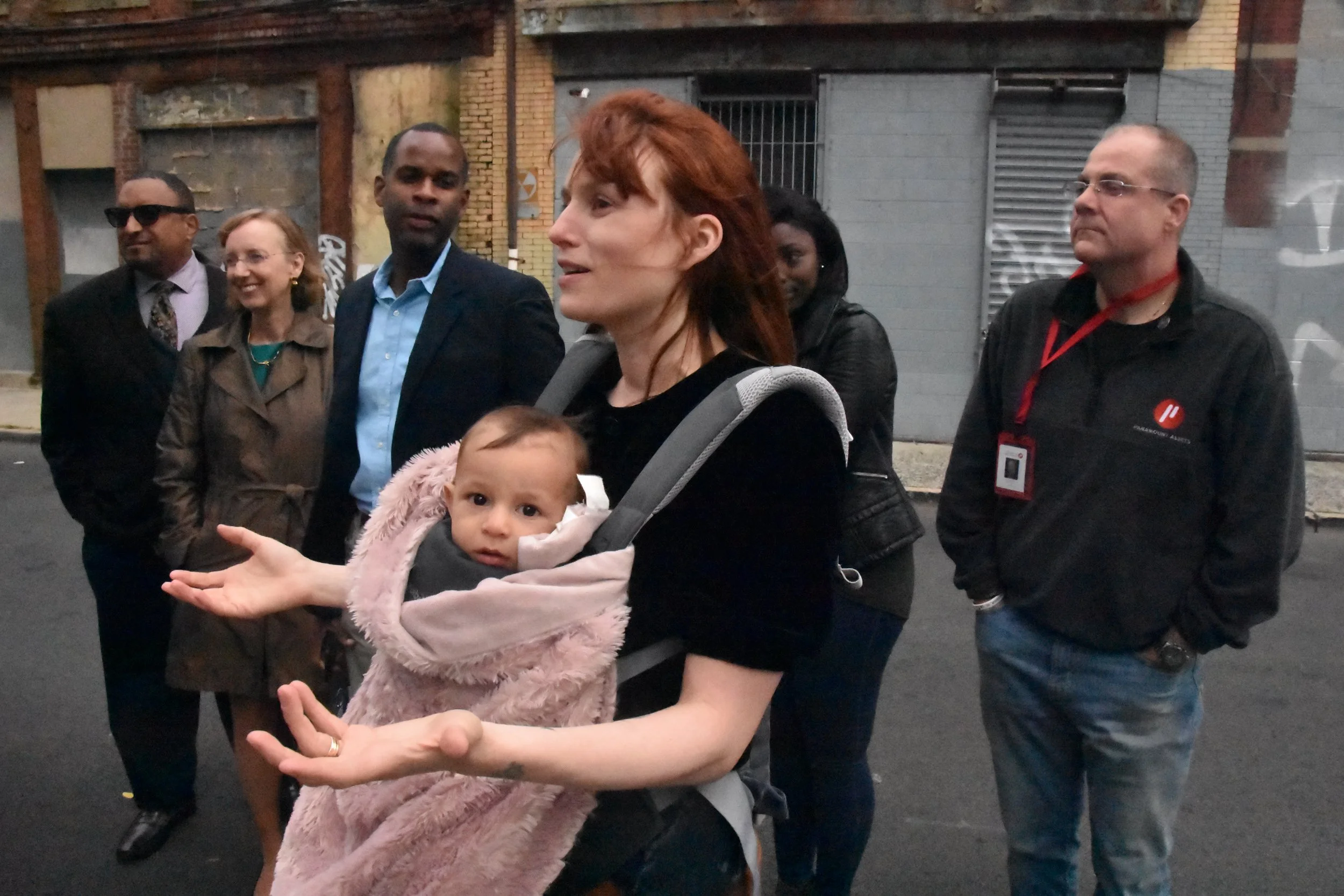
Above Image:
A roundtable conversation among mothers in the arts addressing the sustainability of multiple roles, the stigma surrounding motherhood, and art as a tool for activism and organizing. Moderated by Rebecca as a new mother (pictured with baby Adele), the discussion brought together artists and arts leaders Aimee Gilmore, Amy Hughes Braden, Mashonda Tifrere, and Zoë Buckman. Participants shared lived experience, creative practice, and strategies for redefining what it means to be both a mother and an artist—rejecting false binaries in favor of more expansive, humane models of cultural work.
Abortion Is Normal — Exhibition & Conversation Series
Various Locations (2019 - Present)
Reproductive justice is central to any conversation about motherhood. Choice is critical, and legal, safe access to abortion is nonnegotiable—for healthy bodies, bodily autonomy, and, in many cases, the possibility of chosen motherhood later in life. When Roe v. Wade was placed in jeopardy, Rebecca, alongside artists and organizers, co-created Abortion Is Normal.
About Abortion Is Normal:
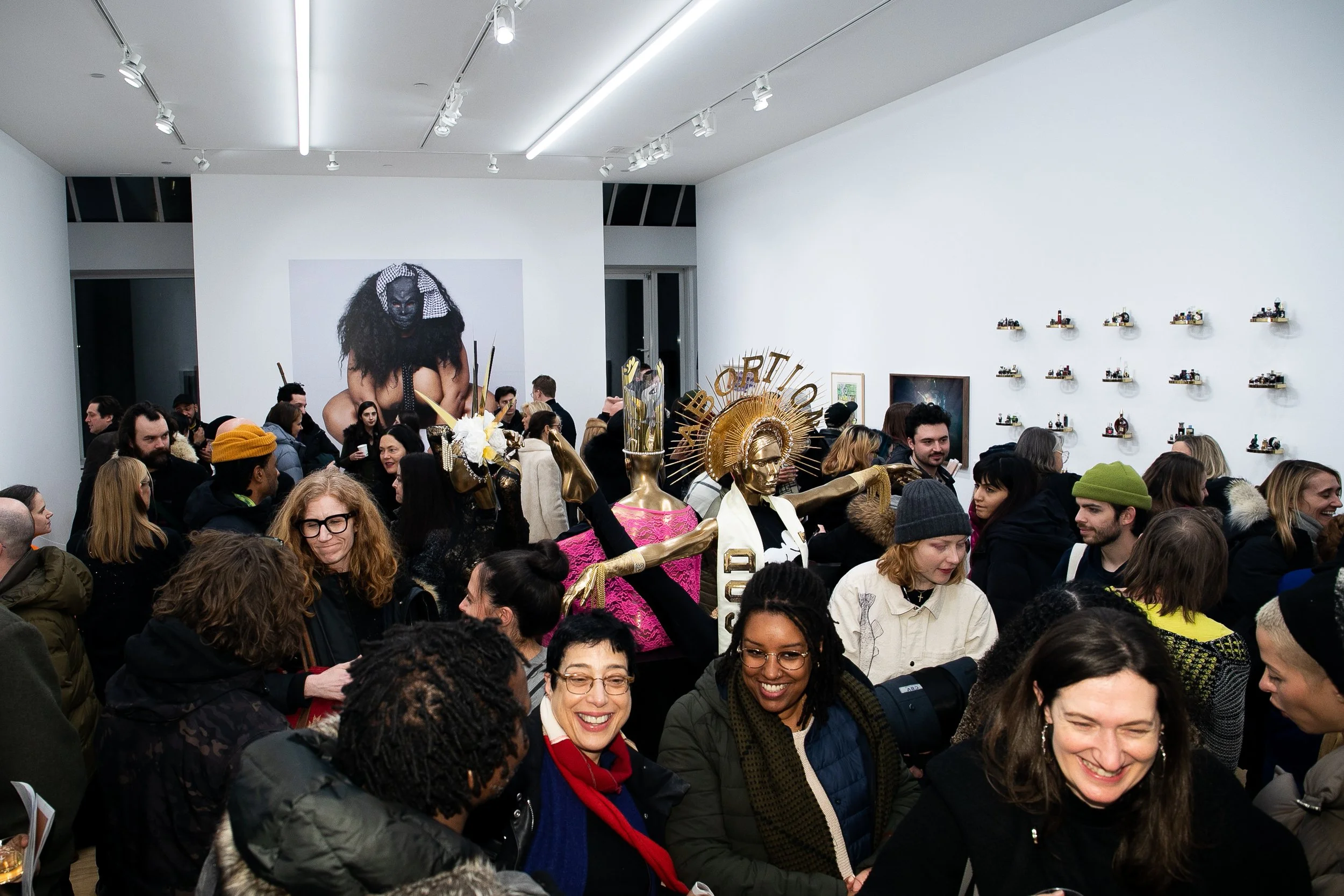
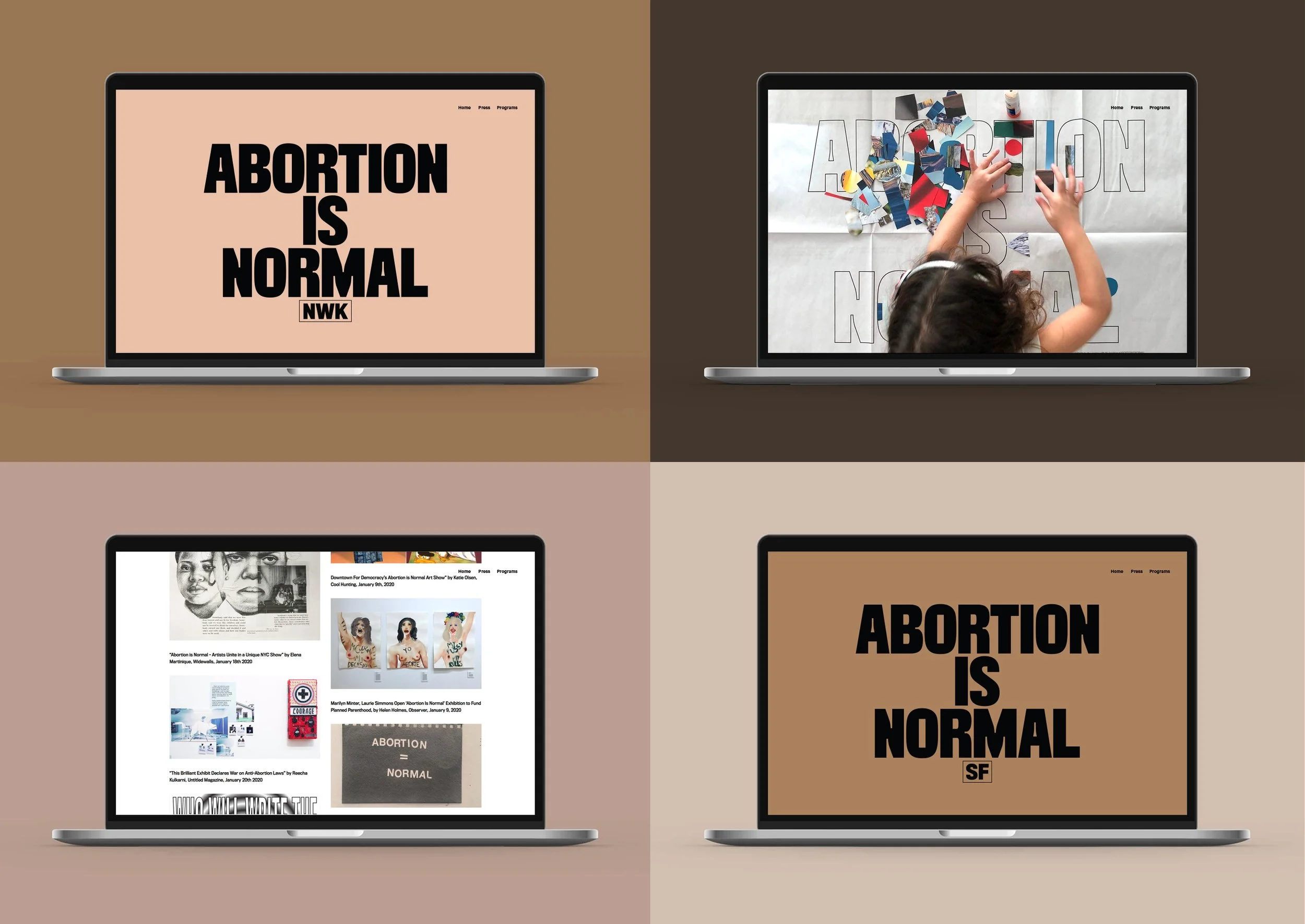
Abortion Is Normal (2019–2022) was an exhibition program organized by a collective of cultural practitioners as an urgent call to action, raising both awareness and funding in support of accessible, safe, and legal abortion. Organized by Jasmine Wahi and Rebecca Pauline Jampol, and co-organized by Marilyn Minter, Gina Nanni, Laurie Simmons, and Sandy Tait, the initiative brought together over 60 artists working across disciplines. The project emerged during a period of escalating attacks on reproductive rights, with fifty-eight restrictive abortion laws passed in the United States since January 2019 alone, alongside mounting threats to the 1973 landmark ruling that federally protected the right to choose.
The project unfolded across multiple exhibitions and expanded into a broader design campaign, public conversations, programs, and community-centered happenings—using art and culture as tools for advocacy, solidarity, and care. Abortion Is Normal later evolved into Body Freedom for Every(Body), continuing its commitment to reproductive justice, bodily autonomy, and collective liberation.
Impossible (2020)
The Brooklyn Rail, 2020
Guess Critic: Jasmine Wahi
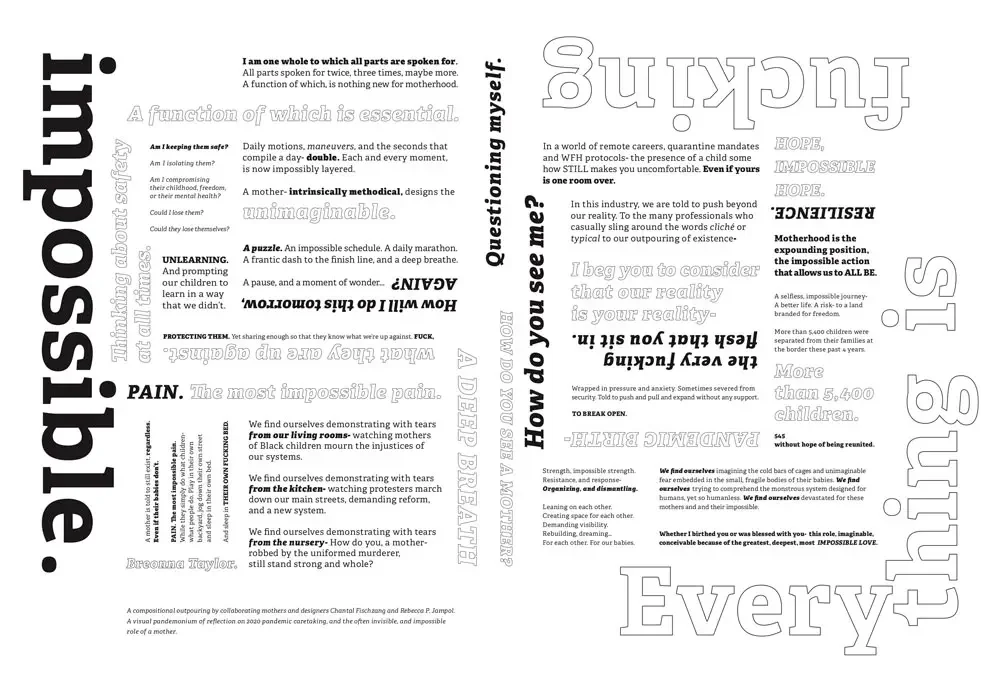
A compositional outpouring in collaboration with fellow mothers and designer Chantal Fischzang. The work reflects on pandemic-era caretaking and the often invisible—and impossible—demands placed on mothers through a dense, expressive visual language.
Impossible Excerpt:
A puzzle.
An impossible schedule. A daily marathon.
A frantic dash to the finish line, and a deep breathe-
A pause, and a moment of wonder...
How will I do this tomorrow, again?
How will I do this tomorrow, AGAIN?
Read Full Poem
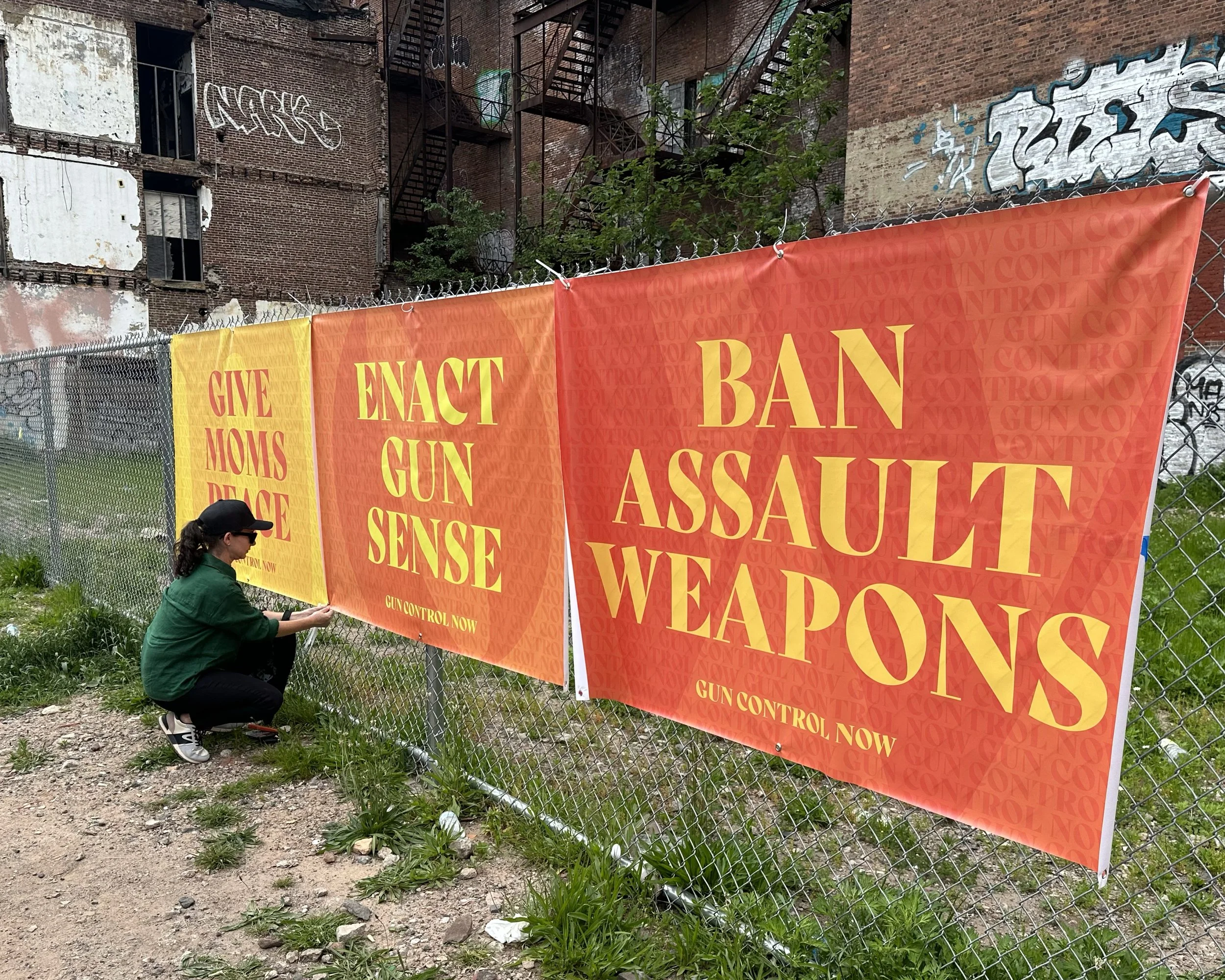
Give Moms Peace — Guerrilla Graphics Campaign
2024 (Mother’s Day), Newark, New Jersey
Give Moms Peace is a visual advocacy campaign launched on Mother’s Day 2024 by mothers and graphic designers addressing gun violence through public-facing design. Using direct, declarative messaging, the campaign articulates collective grief, fear, and urgency experienced by mothers navigating everyday life amid gun violence.
Through shareable graphics and print-ready materials, the campaign calls for concrete policy change, including gun sense legislation and the banning of assault weapons. Materials were activated across public and private spaces—front yards, storefronts, rallies, and digital platforms—and made freely available to encourage widespread participation and sustained collective action. The project positions design as a tool for solidarity, protest, and civic pressure toward ending gun-related violence in the United States.
News, Events, Creative Opportunities,
and Honest Motherhood Moments